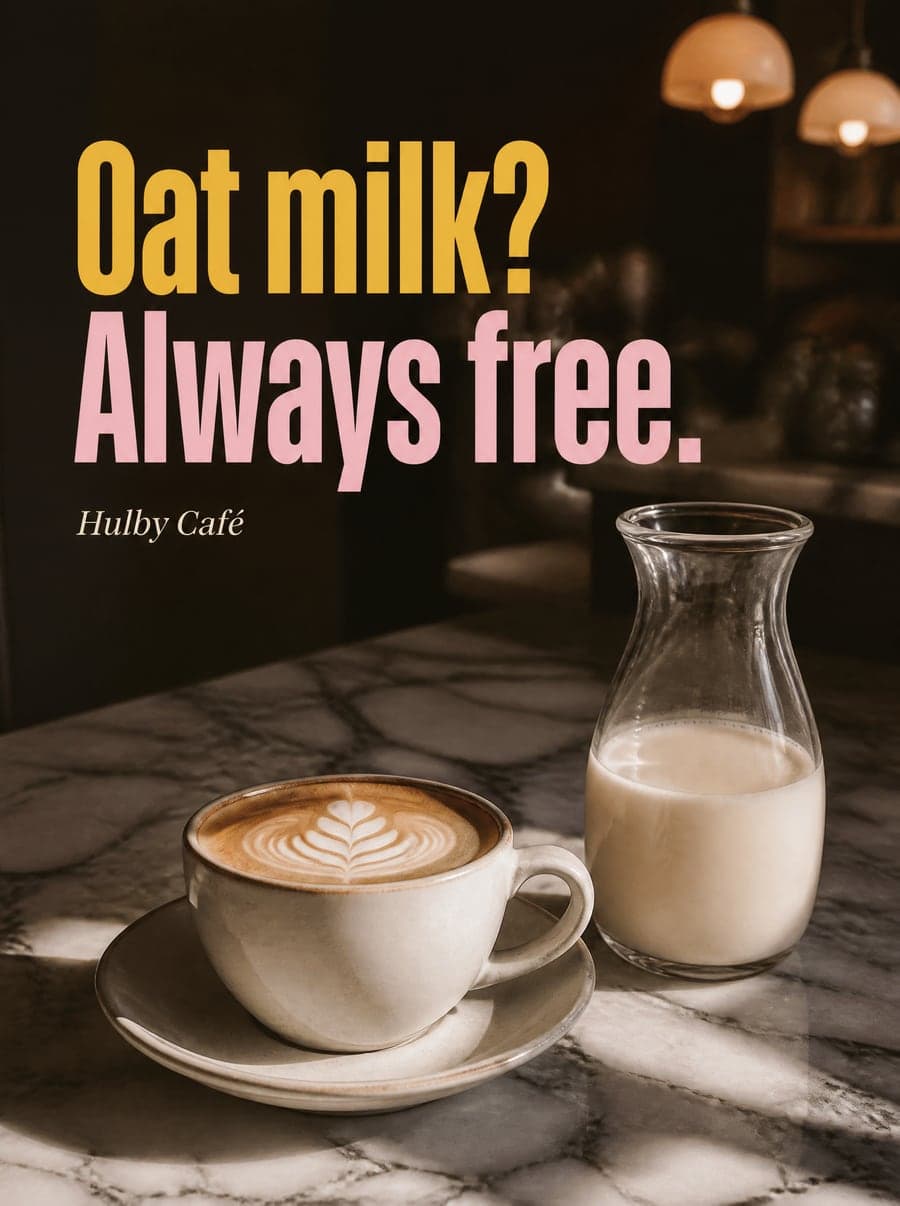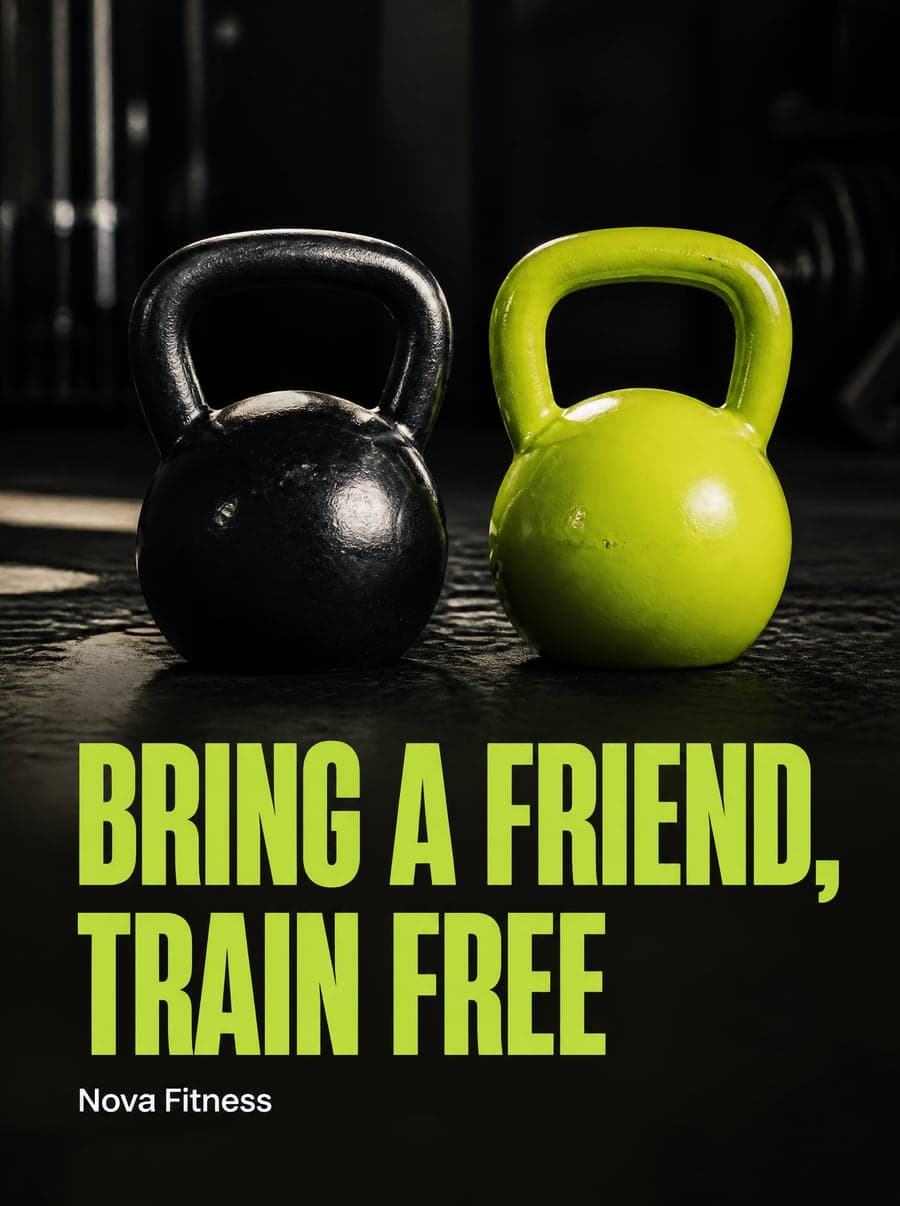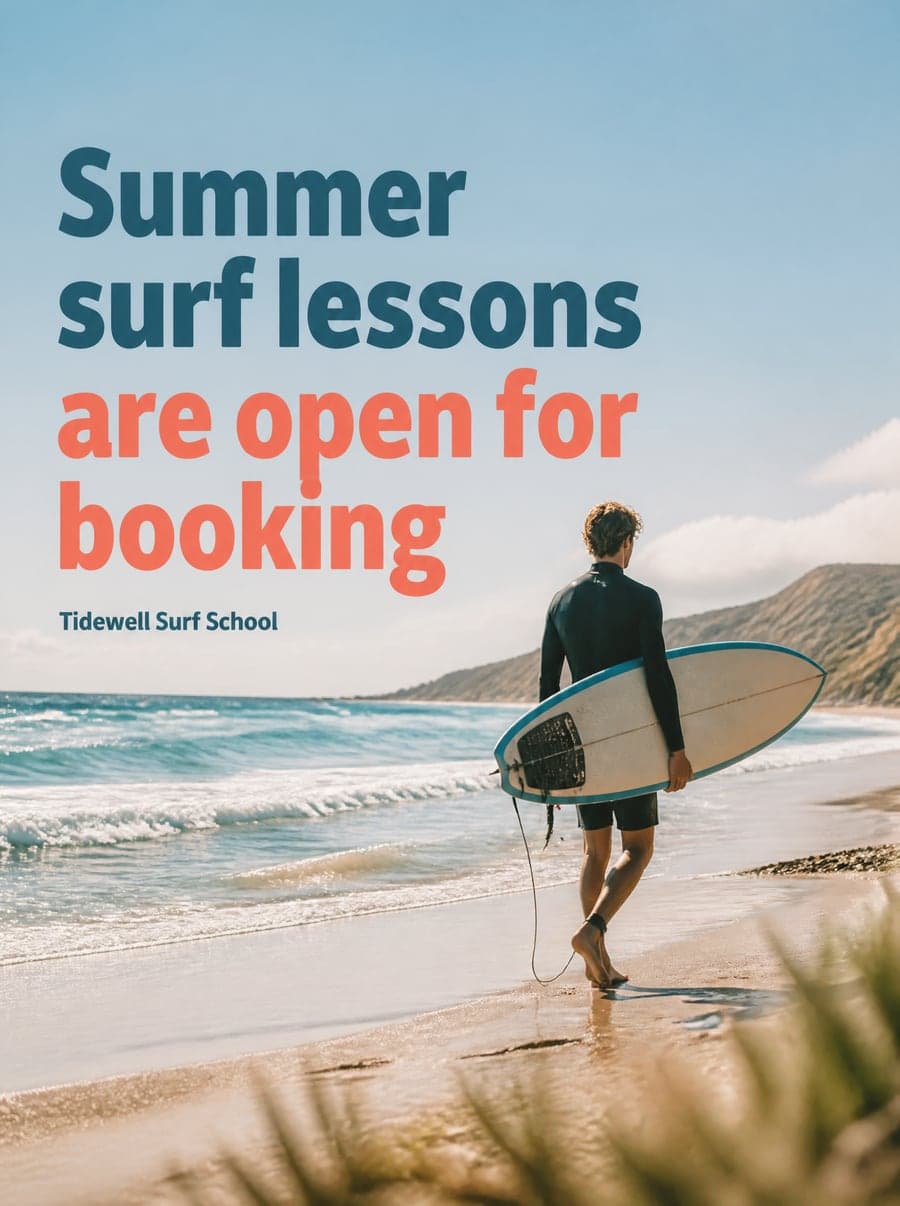
The image stops the scroll. The caption decides whether someone likes, saves, comments or clicks through to your profile. A good caption does not need to be long, but it does need to be written with the reader in mind.
The first line does the heavy lifting
Instagram only shows the first line or two before "more". That line has one job: make people want to read the rest. Lead with the most interesting part, a question, a surprising fact or a clear benefit. Save the greeting for later, or skip it.
Match the length to the post
A product photo might need one sentence. A tip or a story might need a short paragraph. Write as much as the post needs and no more. Short sentences and line breaks make longer captions much easier to read on a phone.
Sound like you
Your captions should sound like the way you talk to customers in person. If your shop is warm and informal, write that way. If your clients expect expertise, be clear and precise. The same voice across every caption is what makes your account feel like a real business.
Give people something to do
End with one clear next step:
- Ask a question people can answer in a word.
- Invite them to save the post for later.
- Point to the link in your profile.
- Tell them when and where to find you.
One call to action works better than three.
Use emojis with a purpose
Emojis can add warmth and help structure a caption, but a line full of them is hard to read. Use them where they add meaning, and match how much you use them to your brand.
Hashtags go last
A few relevant hashtags at the end help people discover your post. Choose tags that describe your post and your area rather than the most popular tags available.
Write each caption for its network
A caption written for Instagram rarely works unchanged on LinkedIn or TikTok. Hulby writes a caption for each network separately, in the tone you chose, with the useful part placed before the fold.